+86-13819126663
Dezumidificatoare pentru muzee, arhive și biblioteci video

Dezumidificatoare pentru muzee, arhive și biblioteci

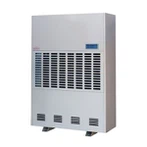
240L Dezumidificator pentru muzee

Descriere

Dezumidificatoare pentru muzee, arhive


Caracteristici principale:

1. Aplicare pe suprafețe mari: capacitate mare de dezumidificare, potrivită pentru cererea de dezumidificare la mare suprafață, ciclu mare de vânt


2, domeniul de umiditate ultra-larg: 20% -90% umiditate ultra-largă, poate satisface nevoile diferitelor zone de dezumidificare, poate răspunde flexibil la medii extreme


3, susținerea drenajului continuu: țeavă de scurgere exterioară, acces direct la conducta de canalizare, drenaj convenabil


4, dezumidificare inteligentă: conține cipuri inteligente, va dezumidifica în mod automat inteligent în funcție de umiditatea mediului înconjurător, nu este nevoie să vizionați


5, judecata inteligentă a defecțiunilor: determina automat locația de defect și feedback-ul pe ecranul LCD pentru întreținere


6, sincronizare bidirecțională: poate seta timpul de încărcare și timpul de oprire în funcție de cerințele de lucru, ușor de operat


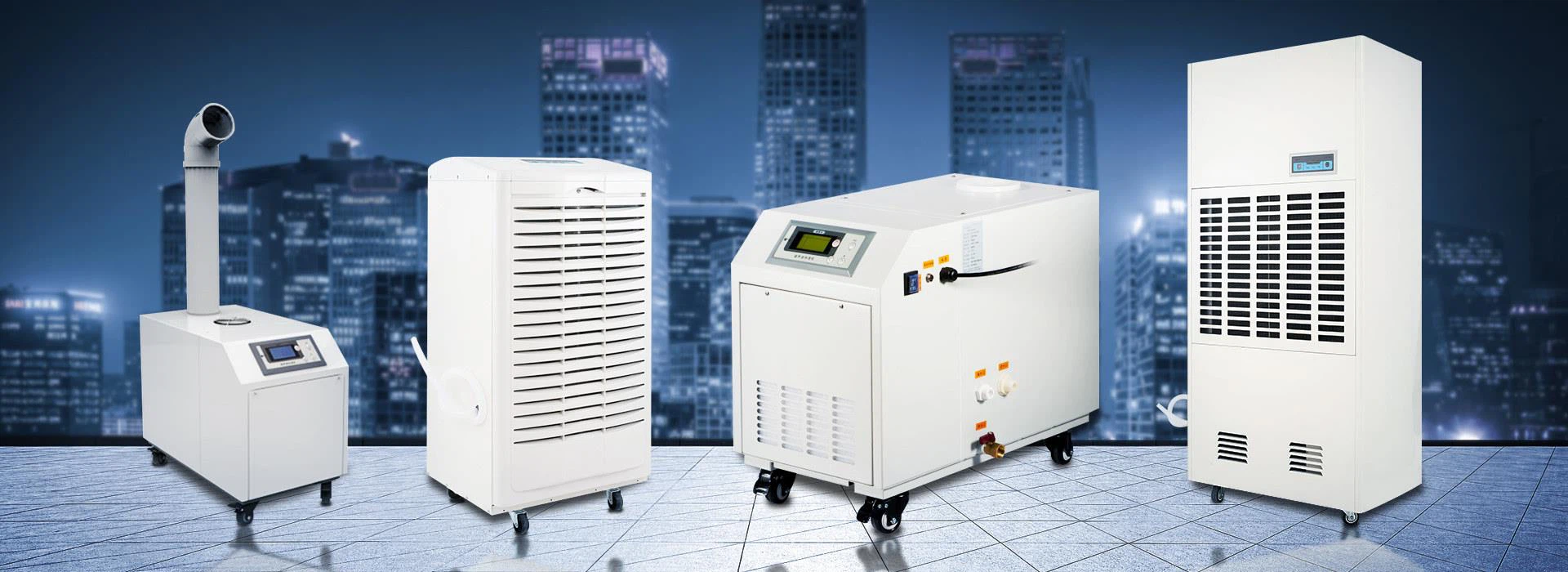
Fotografii despre produse:

Dehumidifiers for Museums, Archives and Libraries

Dehumidifiers for Museums, Archives and Libraries

Parametrii detaliați:

Model DH-5168C
Eliminarea umidității 168L / D sau 7L / H
Sursa de putere 380V / 50HZ
Putere nominală de intrare 3.2KW
Curent de curent 6.2A
Temperatura de lucru 5-38 ℃
Aerul circulant 1600M3 / h
refrigerent R22 / R407C
Greutate netă 108 kg
Greutate brută 118 kg
Aplicarea Spațiului 150 ~ 200m2
Dimensiunea produsului 405x605x1620mm
Dimensiunea de ambalare 485x655x1680mm
Încărcare Cantitate 33pcs / 20ft
Perioada de producție 10 zile
garanţie 1 an

Aplicație pentru dezumidificator în muzee, arhive și bibliotecă

Conceptul de umiditate (umiditatea absolută și umiditatea relativă) este de obicei implicat în studiul studiilor de mediu ale muzeului. Pentru a înțelege umiditatea, este necesar să înțelegem relația dintre umiditatea relativă și umiditatea absolută. Aerul din jurul nostru conține o anumită cantitate de vapori de apă, numită aer umed; aerul care este teoretic lipsit de vapori de apă se numește aer uscat. Umiditatea absolută reprezintă raportul dintre masa vaporilor de apă din aer și volumul total de aer umed. Este o măsură a cantității de vapori de apă din aer.


În anumite condiții de temperatură, raportul dintre conținutul de apă în aer și conținutul de apă la care vaporii de apă din aer ajunge în punctul de saturație este ceea ce numim de obicei umiditatea relativă. Când umiditatea din aer ajunge la cel mai înalt nivel, se numește saturație. Umiditatea relativă în acest caz este de 100%.


Cantitatea de apă care poate fi stocată în aer este afectată de temperatură. Cu cât este mai mare temperatura, cu atât mai mult este apa. Prin urmare, umiditatea absolută (conținutul de apă) nu se modifică. Cu cât este mai mare temperatura, cu atât umiditatea relativă este mai mică. Dacă greutatea vaporilor de apă din aer este constantă și temperatura se schimbă, umiditatea relativă poate varia foarte mult.


De exemplu, pentru muzeele într-un mediu semi-deschis, colecțiile care includ artefacte metalice pot fi expuse la o temperatură și umiditate relativă mai ridicate în timpul expoziției, dar din anumite motive artefactele sunt mutate într-un mediu cu temperatură scăzută, datorită schimbării temperatura, vaporii de apă din jurul artefactelor de metal se vor condensa în condiții reci, cauzând "condensare". Fenomenul de "condensare" a vaporilor de apă pe suprafața artefactelor metalice este o cauză importantă a coroziunii artefactelor metalice.


În plus, umiditatea mediului în care este plasată colecția este prea mare, ceea ce face colecțiile cu rezistență scăzută la apă, cum ar fi hârtia, culoarea picturilor întunecate și este predispusă la formarea petelor; iar dacă umiditatea este prea mică, lemnul și lemnul se vor sparge. . Prin urmare, controlul conținutului de umiditate și al temperaturii atmosferei în muzeu este destul de important.


În prezent, multe muzee și galerii de artă din țară și străinătate au început să utilizeze regulatoare de umiditate atmosferică, absorbitoare de umiditate etc. pentru a regla umiditatea sălii expoziționale și a depozitului și au obținut anumite rezultate.

The concept of humidity (absolute humidity and relative humidity) is usually involved in the study of museum environmental studies. In order to understand the humidity, it is necessary to understand the relationship between relative humidity and absolute humidity. The air around us contains a certain amount of water vapor, which is called wet air; the air that is theoretically free of water vapor is called dry air. Absolute humidity is the ratio of the mass of water vapor in the air to the total volume of humid air. It is a measure of the amount of water vapor in the air.  Under certain conditions of temperature, the ratio of the water content in the air to the water content at which the water vapor in the air reaches the saturation point is what we usually call relative humidity. When the moisture in the air reaches the highest level, it is called saturation. The relative humidity in this case is 100%.  The amount of water that can be stored in the air is affected by the temperature. The higher the temperature, the more the water is. Therefore, the absolute humidity (water content) does not change. The higher the temperature, the lower the relative humidity. If the weight of water vapor in the air is constant and the temperature changes, the relative humidity may vary greatly.  For example, for museums in a semi-open environment, collections including metal artifacts may be exposed to a higher temperature and relative humidity during the exhibition, but for some reason the artifacts are moved to In a low temperature environment, due to the change of temperature, the water vapor around the metal artifacts will condense under cold conditions, causing


The concept of humidity (absolute humidity and relative humidity) is usually involved in the study of museum environmental studies. In order to understand the humidity, it is necessary to understand the relationship between relative humidity and absolute humidity. The air around us contains a certain amount of water vapor, which is called wet air; the air that is theoretically free of water vapor is called dry air. Absolute humidity is the ratio of the mass of water vapor in the air to the total volume of humid air. It is a measure of the amount of water vapor in the air.  Under certain conditions of temperature, the ratio of the water content in the air to the water content at which the water vapor in the air reaches the saturation point is what we usually call relative humidity. When the moisture in the air reaches the highest level, it is called saturation. The relative humidity in this case is 100%.  The amount of water that can be stored in the air is affected by the temperature. The higher the temperature, the more the water is. Therefore, the absolute humidity (water content) does not change. The higher the temperature, the lower the relative humidity. If the weight of water vapor in the air is constant and the temperature changes, the relative humidity may vary greatly.  For example, for museums in a semi-open environment, collections including metal artifacts may be exposed to a higher temperature and relative humidity during the exhibition, but for some reason the artifacts are moved to In a low temperature environment, due to the change of temperature, the water vapor around the metal artifacts will condense under cold conditions, causing

Tag-uri populare: dezumidificatoare pentru muzee, arhive și biblioteciChina, producători, furnizori, fabrica, en-gros

Trimite anchetă

(0/10)

clearall